Founder Leadership
Stop Asking Employees to Think Like Owners (Until You Give Them a Reason To)
Most founders want ownership-level commitment without offering ownership-level upside. Here's why that mindset quietly burns your best people out, and what actually changes the way a team shows up.
Here's a complaint we hear from founders constantly: "I just wish my employees cared as much as I do." And we get it. You're the one who showed up on Saturday when nobody asked you to, because nobody had to. And when you watch an employee clock out at 5:01 with a half-finished task on their desk, something in you wants to shake them and say, "Don't you see what we're building here?" But have you ever stopped to ask: why would they care?
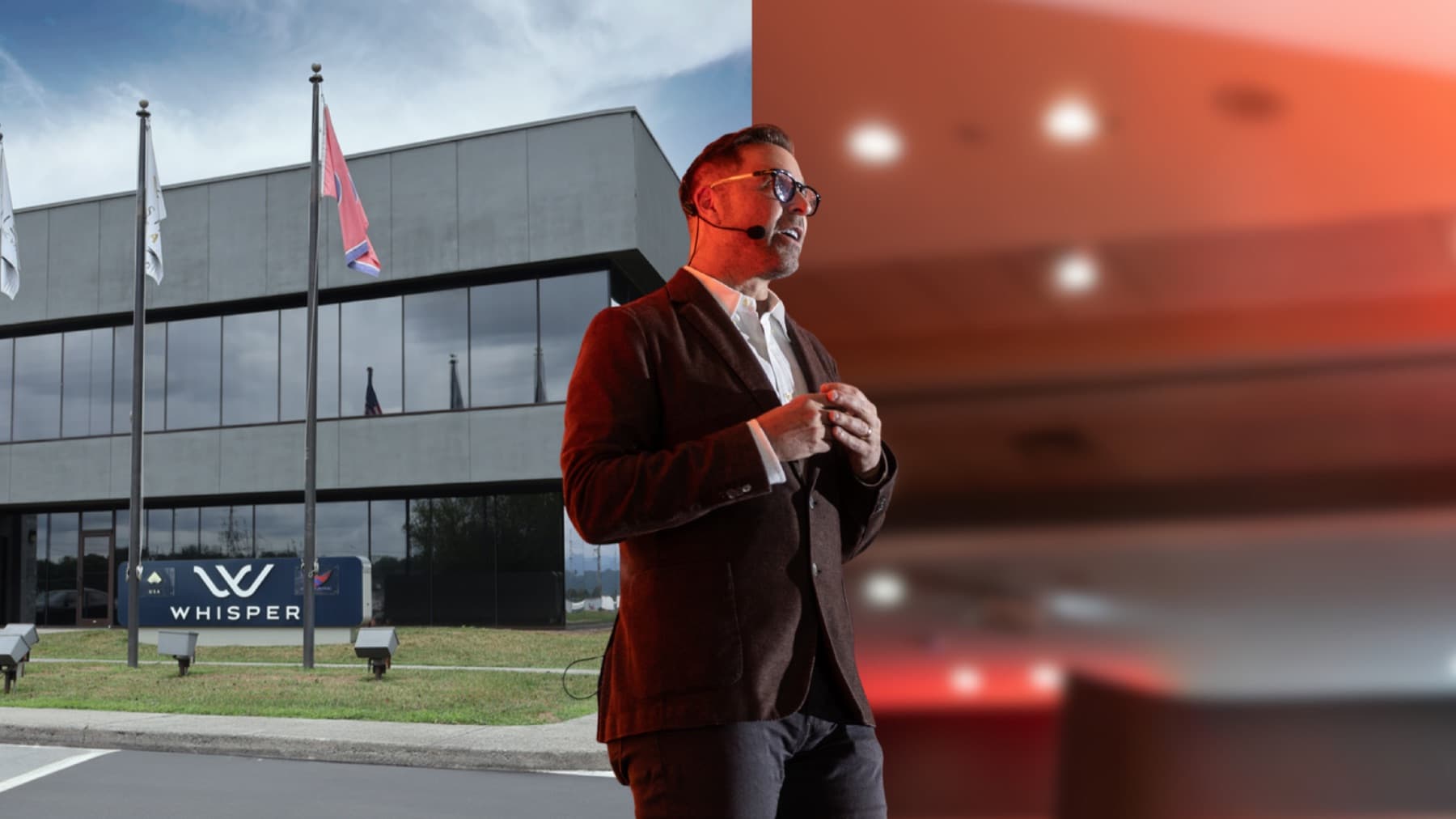
At the 2025 Startup Mountain Summit, I sat in the room when Dave Hatley, the founder of LPI, spoke to a group of early-stage founders. Dave built a company from scratch into the largest consumer-direct hot tub manufacturer in the country: over 700 employees, 700,000 square feet of manufacturing, and 97 retail stores from Maine to California, all without taking on a single dollar of outside debt. When he talked about employees, he wasn't demanding more from them. He was asking founders to be more honest with themselves.
They're Employees for a Reason, and That's Okay
Dave didn't sugarcoat it: "They're employees for a reason, because that's what they want." He said it plainly, with zero contempt, because he'd spent years figuring that out the hard way.
Employees want stability. They want to know what their job is, do it well, and go home to their families without carrying the weight of the whole company on their shoulders. That's not a character flaw, it's the entire point of employment. When founders lose sight of that, they start resenting the very people they hired. They read "lack of passion" into what is actually a completely normal relationship with work, and that slow burn of resentment does more damage to a team than most founders ever want to admit.
Dave put it plainly: "You've got to align yourself that these people are never going to be you. You've got to know what to expect from employees." You hired humans, not co-founders. Respect that, and then build structures that give people a reason to go further.
"I didn't build this company by myself. These people here build it for me. So in my mind, there's no better way to reward your employees than that." — Dave Hatley, Founder, LPI
What Changes Behavior: Shared Upside
This is usually the part where founders check out, because it sounds complicated or expensive. But the most direct path to employees who act like owners is giving them actual ownership, or at minimum, a financial stake in how the company does.
Dave converted LPI into an Employee Stock Ownership Plan, or ESOP. Today, his employees collectively own 36% of the company. He still holds 66% and has turned down private equity and public market offers to keep the culture the way he wants it. What matters more than the structure itself is what it did to people's behavior.
He described watching the guy on the production line start paying attention to the guy next to him, making sure the hot tubs were being drilled correctly, picking up scrap, not wasting materials. Nobody told him to do that. But when a profitable year means a deposit into his retirement account, he starts thinking differently about the work in front of him.
What the Numbers Look Like
The average LPI employee, factoring in profit sharing, is on track to make around $88,000 this year in East Tennessee. The median household income in Johnson City is $57,254, according to the most recent U.S. Census data, and roughly 12% of families here live below the poverty line. For a production line worker in this region, that gap matters.
Roughly 30% of LPI's total comp comes from the ESOP and profit share. For someone making $65,000 in base pay, that can mean $17,000 to $18,000 going into their retirement account in a single year. The average per capita income in Johnson City is around $36,000. When someone can see a path to retiring a millionaire on a production line salary, a few extra dollars an hour somewhere else stops moving the needle.
LPI by the Numbers
- Employees: 700+ in Johnson City, Tennessee
- Manufacturing: 700,000 square feet
- Retail footprint: 97 stores, Maine to California
- Employee ownership: 36% of the company via ESOP
- Average employee compensation (with profit share): ~$88,000/year
- Outside debt taken on to build the company: $0
The Difference Between Being Paid to Work and Paid to Care
Standard pay structures compensate people for their time. Profit sharing gives them a reason to care what happens with that time. It shows up in small decisions throughout the day: whether someone flags a quality issue or lets it go, whether they mention wasted materials to their manager or figure it's not their problem.
Dave still runs the operation and owns the majority. But he built it so the person on the shop floor has a financial reason to pay attention, and according to him, they do.
Dave addressed the equity question directly: "Why do I need 100%? I still own 66% of the company." A smaller stake in a company that performs, with people who stay, is worth more than full ownership of something grinding itself into the ground. For Dave, giving up that percentage wasn't a sacrifice. It was the point.
Respect Comes Before Results
None of the incentive stuff works if the basic relationship is off. And the basic relationship starts with accepting that your employees made a different choice than you did, and that choice is fine.
Dave said it directly: "Temper your expectations on what you expect from employees." He wasn't telling founders to settle for mediocre work. He was pointing out that the measuring stick is wrong. Your employee who leaves at 5:30 isn't failing you. They're doing exactly what they signed up for. If you wanted co-founder energy, you needed to offer a co-founder's upside.
The founders who figure this out stop burning through good people. You can hold employees to high standards and still respect that their relationship to the business is different from yours. You can set expectations and still create financial upside for the people who meet them. But the respect has to come first, because people can tell pretty quickly whether the profit sharing is real or whether it's just a way to squeeze more out of them.
Dave built a consumer-direct manufacturing company in East Tennessee with no outside money, near-zero turnover, and 700 people who show up and give a damn. If you want people to treat the business like it's theirs, at some point you have to give them a reason to.
Hear More from Founders Like Dave
The Startup Mountain Summit brings real builders to Johnson City, TN for two days of honest conversations about what actually works. October 12-13 at the Brinkley Center.